
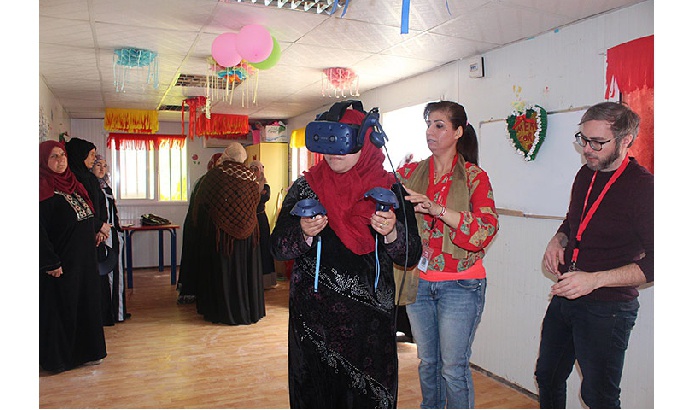
The global organisation Mercy Corps is partnering with the University of Bradford’s Building Resilience Through Heritage (BReaTHe) project to help Syrian refugees in Jordan improve their psychological and emotional wellbeing using virtual reality.
With more than 630,000 Syrian refugees in Jordan, the partnership is using the latest technologies to deliver virtual reality (VR) experiences to help individuals and communities reconnect with and discuss the heritage of their homelands.
The university said that for the younger generation who only know Syria in war, VR — along with other methods of promoting cultural heritage such as traditional stories, recipes or family photos — can create a connection to their homeland that is a source of pride and strength.
Simon O’Connell, Executive Director, Mercy Corps says: “As an organisation we believe that technology has a huge role to play in improving people’s lives. We’ve seen first-hand the impact that VR can have on a Syrian mother who has been displaced from her home for many years. Being able to return virtually to that home, experience it in some way again, which helps her deal with the trauma of war, is powerful and important.”
Dr Adrian Evans, from the University of Bradford said “It’s a profound and humbling experience to work in refugee communities. We’re delighted to see our digital heritage tools and expertise being useful to those in desperate need of positive memories and experiences to build personal and societal resilience.”
 Drug Arrests After Police Raid in Allerton
 Appeal after serious collision on Vicar Lane in Leeds
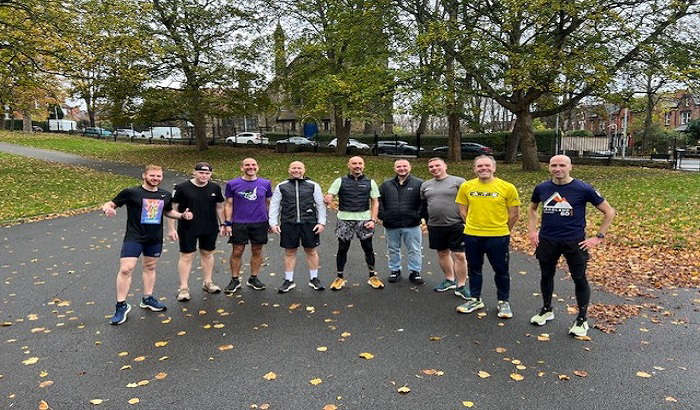 Leeds 400 challenge launched to get city moving
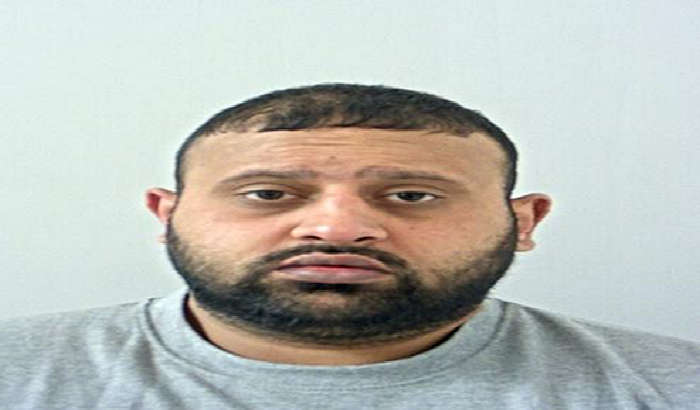 Accrington drug dealer jailed for 10 years
 Average Speed Cameras Installed on Harrogate Road
 Police Appeal After Serious Collision in Moss Side
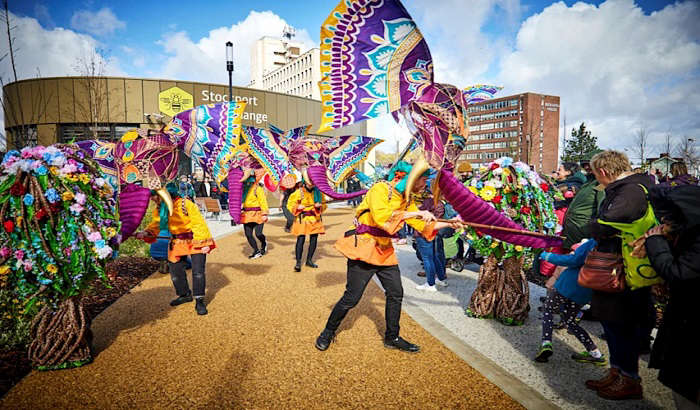 Culture at the Heart of Stockport’s Transformation
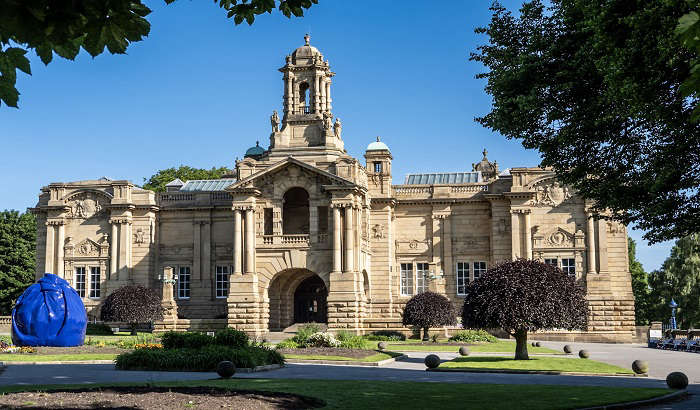 South Asian Art Exhibition Opens at Cartwright Hall
 Men’s Mental Fitness Programme Launches in Blackburn
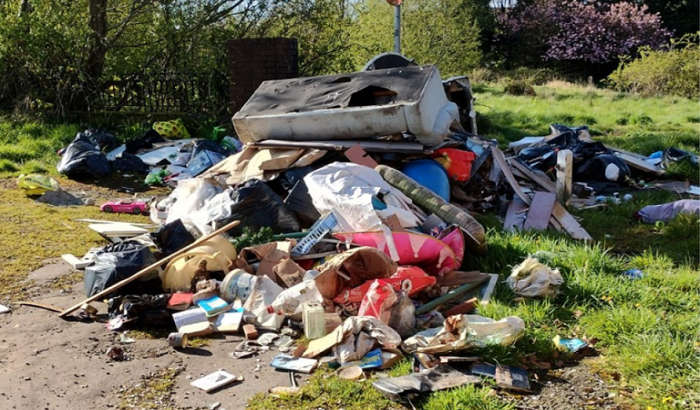 Council Calls for Tougher Fly-Tipping Sentences
 The Golden Era
 Alim OnAir
 Remix Saturdays
 Legal Show